

Public service or private privilege? What is really behind the resistance to paying Trustees
Podcast transcript
Podcast description
Trusteeship is treated as the moral foundation of the charity sector, with voluntary service upheld at its core.
But that assumption quietly shapes who can take part in governing charities and who cannot.
This episode asks what really sits behind the resistance to paying trustees. Is payment about professionalism, access and lived experience, or does it undermine the idea of public service and public trust?
In this episode, we speak to Simin Wadiwala, an associate Trustee whose payment has enabled her to have a seat at the table, we hear from an anonymous founder who laments the expectation that her service should be free while those without her lived experience are paid, we also hear from Olivia Barker-White, whose apparently shocking suggestion of paying Trustees prompted the only complaint at the last Festival of Trusteeship, and discuss the latest research, which casts a different light over the whole debate, with Tim Harrison-Byrne.
“Without being offered to be paid, I wouldn’t have been able to take up this role, and there are so many instances where the kinds of conversations that I’ve had, and the things that I’ve been able to learn about, just would not have been accessible to me otherwise. If you pay trustees, then you’re allowing more people into high level decision making…if charities aren’t willing to pay their trustees, there should be a really good reason why, and not just that be the default. Because it is exclusionary.”
Simin Wadiwala
“I kept being invited into meetings, governance groups, best-practice panels, but every time I walked into the room it was full of people who could afford to be there. I was in debt from treatment. All the financial security I had built had vanished. And that’s when it hit me: everyone wanted me to do this work for free. To speak for my community, to lead change, but without any pay. It was ridiculous. I had already lost enough, and my community had lost enough.”
Anonymous charity founder
It’s not saying you have to pay your trustees, it’s just saying consider it as an option if board members are important to you and if you really want that diversity of thought and diversity of background, and you want lived experience on your board, then just consider it as an option. And I just don’t know why it’s so triggering for so many people, but possibly that’s why.
Olivia Barker-White
“Only 16% of the public say that there aren’t any circumstances where paying Trustees is justified…there’s a whole host of reasons that the public can see that justify paying trustees.”
Tim Harrison-Byne
Our hosts
Felicia Willow
Also known as the Mary Poppins of the Charity Sector, is a seasoned interim CEO and consultant in the Charity Sector, working primarily on strategy, governance, crisis and effectiveness. Her leadership roles include the Fawcett Society and the Shannon Trust. A lawyer by training, Felicia’s career has spanned government, UN and the UK charity sector (the ‘For Impact’ sector) and she finds herself increasingly focussed on discussing and challenging the systemic issues that are holding the sector back.
View LinkedIn Profile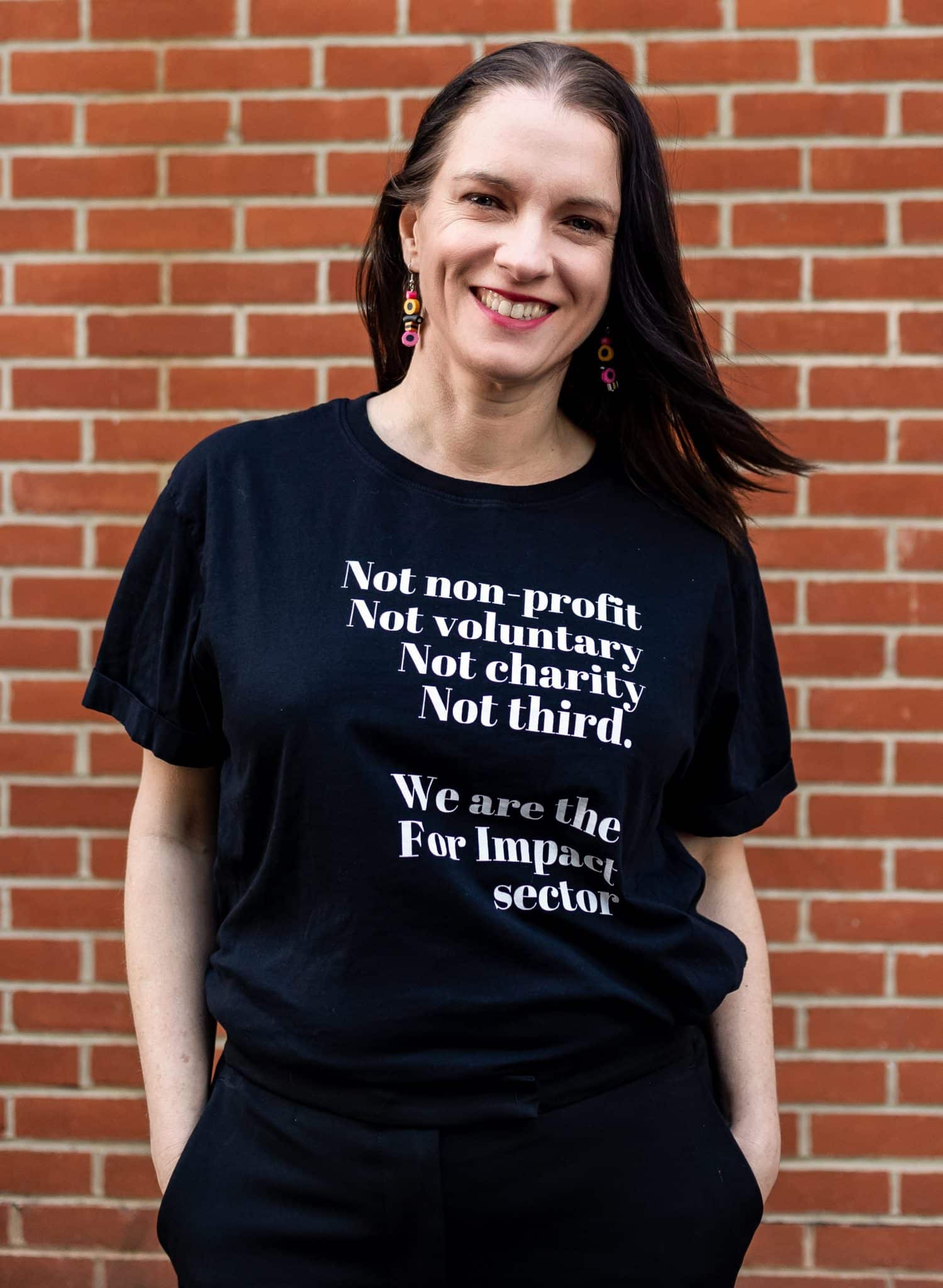
Chris Pitt
Chris Pitt is responsible for positive social and environmental impact at Benefact Group, a family of specialist financial services businesses owned by a charitable Trust. The Group is the 3rd largest corporate giver to charity1 and Chris oversees over £2m of giving, namely through the Movement for Good awards which give small donations to a huge diversity of causes and large grants to charities close to the customers and communities of the Group.
1 DSC – The guide to UK Company Giving 2023-24
View LinkedIn Profile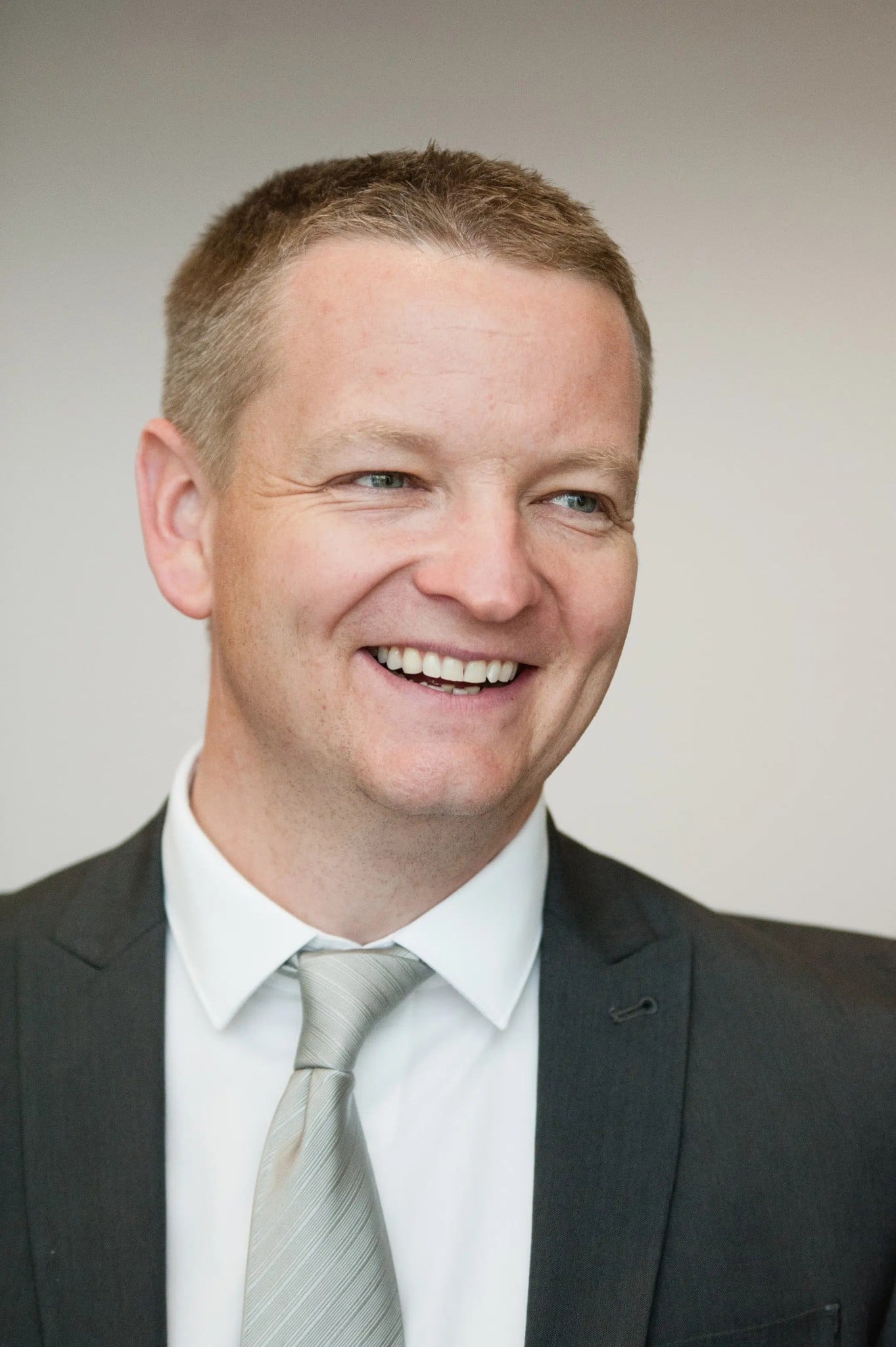
Our guests
Simin Wadiwala
Part-time carer, finance worker for a land justice organisation and housing cooperatives
Sim is a queer young woman of colour who doubles as a part-time carer for disabled folks in her community, and finance worker for a land justice organisation and housing cooperatives. Sim has been a paid associate trustee for Friends Provident Foundation – not a legally responsible person, but feeds into decision making at Foundation board and committee meetings since summer 2023.
View LinkedIn Profile
Olivia Barker-White
Co-founder and Chief Executive of Kids Club Kampala
Olivia is co-founder and Chief Executive of Kids Club Kampala, which helps vulnerable children across East Africa to survive and thrive. Olivia is an experienced charity leader with over 15 years’ experience of working in the charity and voluntary sector both in the UK and internationally. She’s a passionate champion of small charities, a proud trustee of the Small International Development Charities Network (SIDCN), and she sits on the UK Small Charities Advisory Panel (SCAP), hosted within NCVO. Olivia also works as a freelance consultant with Fair Development, specialising in strategy, leadership, and organisational development.
View LinkedIn Profile
Tim Harrison-Byrne
Co-Managing Director of nfpResearch and a specialist in charity audience insight
Tim Harrison-Byrne is Co-Managing Director of nfpResearch and a specialist in charity audience insight. He helps charities understand reputation, trust and engagement across public, professional and political stakeholders.
He leads bespoke research programmes, applicant perception benchmarking and tracking studies that inform strategy and communications. He has authored influential sector reports on public trust in charities, donor attitudes to fundraising, and perceptions of charity leadership and regulation. His work is widely cited and used by senior leaders to guide decision-making.
Tim is a regular speaker at national and international conferences and a guest lecturer on the Bayes Business School Centre for Charity Effectiveness Master’s programme. He is recognised for translating complex data into clear, practical strategic direction.
View LinkedIn Profile
This podcast is provided for information purposes only and is general and educational in nature and does not constitute legal advice. The information contained herein should not be considered as substitute for seeking professional advice in specific circumstances.
All opinions expressed are the individuals own and not of (or to be affiliated with) the Benefact Group plc or its group companies.
Benefact Group plc shall not be liable for your use or any reliance on, or action taken (or not taken) by you and any loss, however incurred, as a result; all responsibility for such is excluded (except for that which cannot be excluded by law) by the Benefact Group plc.
Please note that over time the information contained herein may become out of date and may not constitute best market practice, that it is subject to change and new editions may be issued to incorporate such changes. You acknowledge that Benefact Group plc have no duty to provide such changes to this recording.