

The expense of bad apples: why are so many poor performers paid off… and what can charities do about it?
Podcast transcript
Podcast description
It’s an open secret in our sector. Behind closed doors, often protected by NDAs, countless charity workers are paid off after concerns have been raised about their performance or behaviour. Why do we keep paying them off instead of managing them out through a formal process? And what cost is this to our sector’s finances and wider reputation?
If Trustees must be able to show that these payments are in the charity’s best interests, why do we keep getting to this point, and why aren’t we investing more in the management practices that could prevent it?
This episode explores why this is happening, what gets in the way of dealing with poor performance earlier, and what charities can do to manage performance long before they have to worry about calling in the lawyers.
Today we speak with Paul Seath, a partner at Bates Wells specialising in charity employment matters, Steph Edusai, the CEO of St Oswald’s Hospice, and Paul McKenzie, a leadership and fundraising consultant. We examine why so many poor performers end up being paid off, and what we can all do to reduce the risk and enhance performance for everyone.
“Sometimes people will circulate around the charity sector, and their issues haven’t been dealt with. They haven’t been told in any real way what was wrong…and therefore we just have people who are underperforming consistently in a number of different roles and hopefully not but possibly being paid off from a number of different roles because of that performance. I don’t think it helps us mature as a sector.“
Steph Edusai
“I don’t think of it as paying off poor performance as such, from a charity law perspective, I think of it as – what is the most commercial and cost-effective way to deal with that particular issue?”
Paul Seath
“I think what managers get wrong in the charity sector get wrong at the moment is they often start performance management when they have a performance problem. So, they start talking about performance only when they think the person isn’t doing great…I think performance management is about managing the person in front of you all the time. Helping them to get better, helping them to develop, helping them to grow in their job.”
Paul McKenzie
Our hosts
Felicia Willow
Also known as the Mary Poppins of the Charity Sector, is a seasoned interim CEO and consultant in the Charity Sector, working primarily on strategy, governance, crisis and effectiveness. Her leadership roles include the Fawcett Society and the Shannon Trust. A lawyer by training, Felicia’s career has spanned government, UN and the UK charity sector (the ‘For Impact’ sector) and she finds herself increasingly focussed on discussing and challenging the systemic issues that are holding the sector back.
View LinkedIn Profile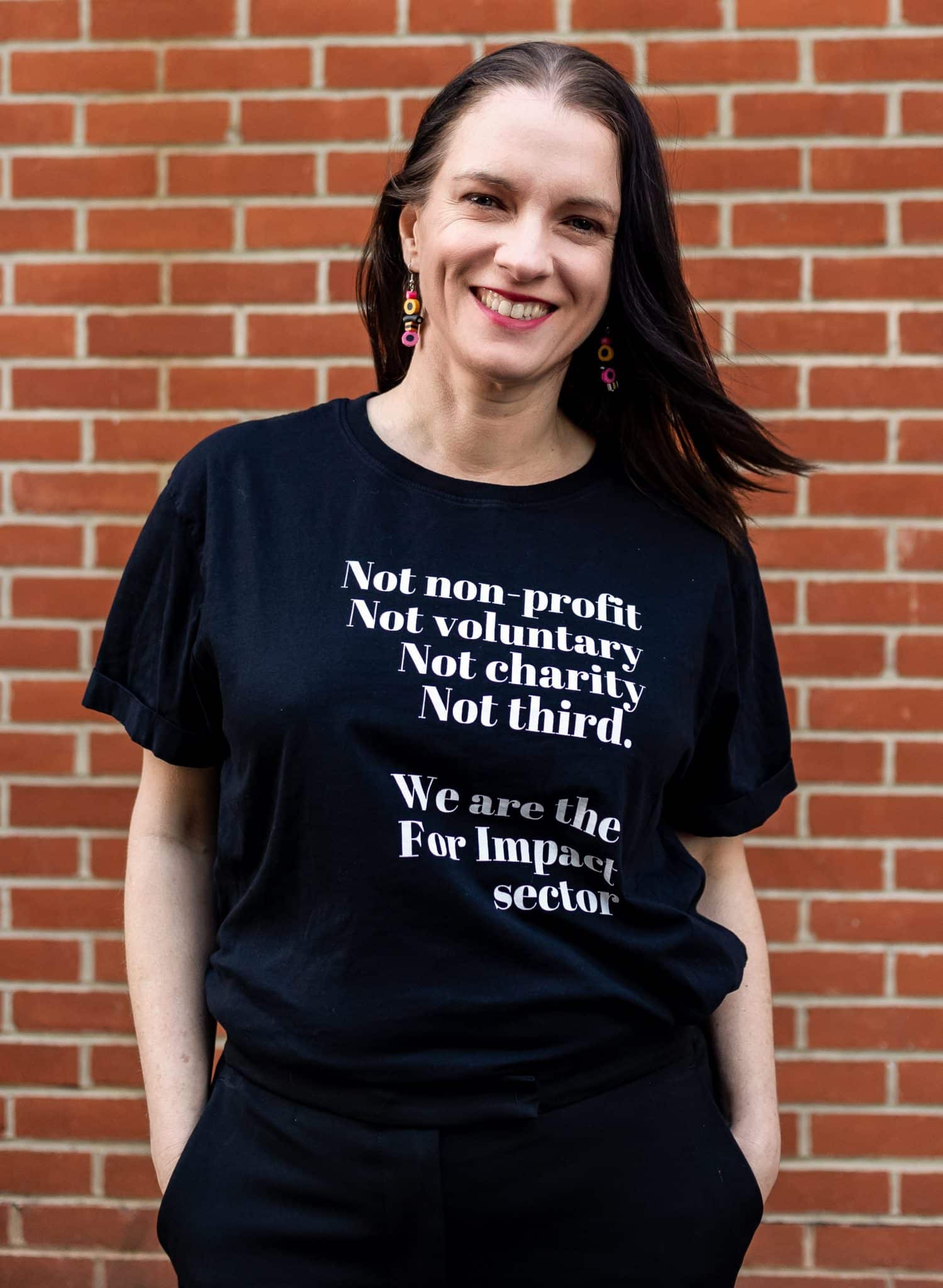
Chris Pitt
Chris Pitt is responsible for positive social and environmental impact at Benefact Group, a family of specialist financial services businesses owned by a charitable Trust. The Group is the 3rd largest corporate giver to charity1 and Chris oversees over £2m of giving, namely through the Movement for Good awards which give small donations to a huge diversity of causes and large grants to charities close to the customers and communities of the Group.
1 DSC – The guide to UK Company Giving 2023-24
View LinkedIn Profile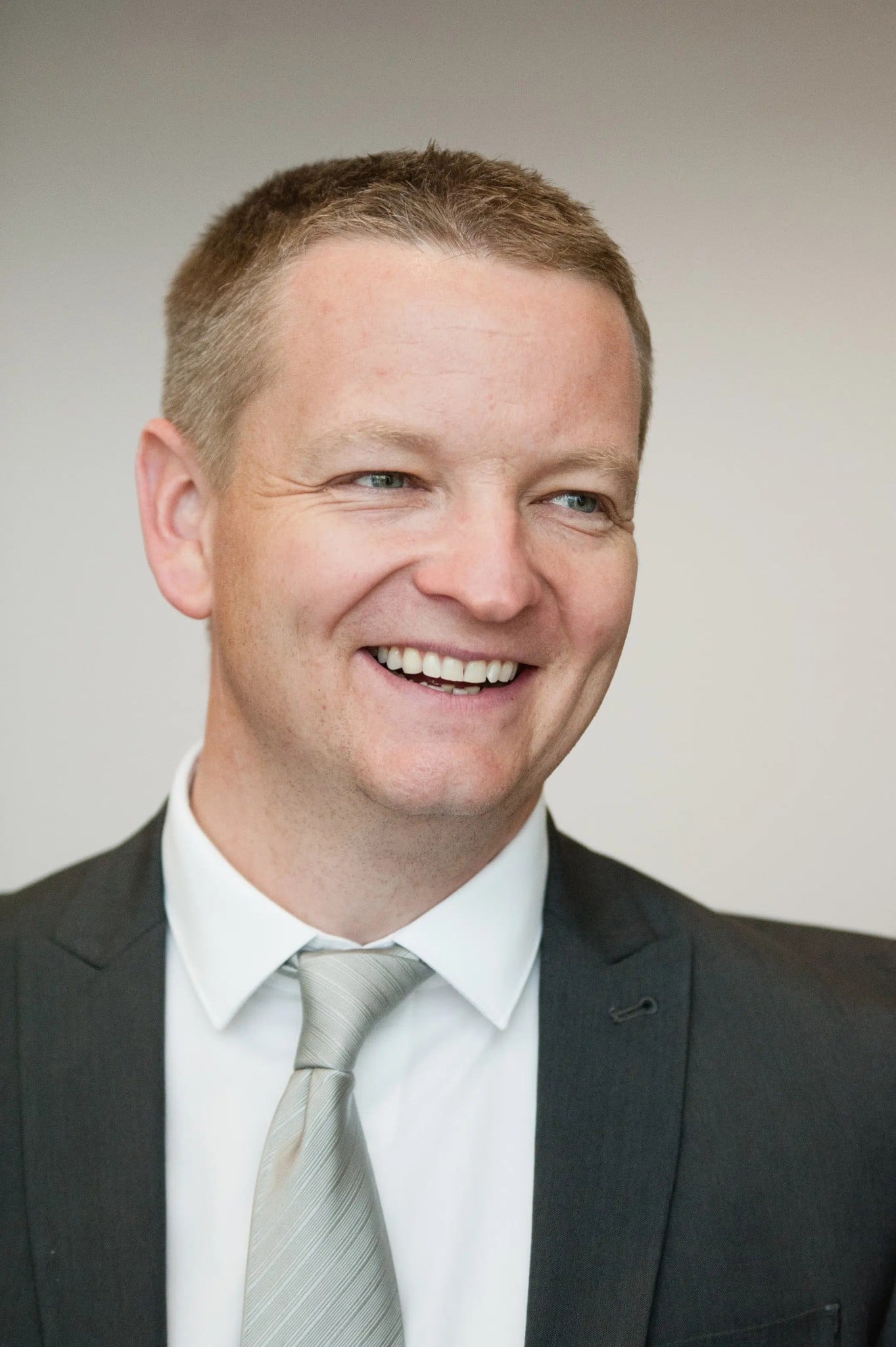
Our guests
Paul McKenzie
Fundraising and leadership consultant
Paul McKenzie is a fundraising and leadership consultant with more than 20 years’ experience across the charity sector.
He has held senior roles at organisations including Teenage Cancer Trust, Depaul UK, Battersea Dogs & Cats Home and Great Ormond Street Hospital Charity, and now runs Giant Steps.
Through Giant Steps, Paul works with charities, boards, CEOs, fundraising directors and senior teams on fundraising reviews, strategy development, income growth, proposition development, leadership, team effectiveness, mentoring and interim senior support.
His clients have included organisations such as The Children’s Society, RAF Benevolent Fund, Crohn’s & Colitis UK, Cool Earth, James’ Place, Spurgeons and Adoption UK.
Paul is particularly interested in what helps good people and organisations perform at their best — making clearer choices, building stronger teams, creating better cultures and giving leaders the confidence to have the conversations that really matter.
View LinkedIn Profile
Paul Seath
Impact lawyer and trustee
Paul Seath is a passionate employment and discrimination specialist with over 25 years’ experience helping hundreds of charities, purpose-driven commercial organisations, regulators, and membership bodies successfully navigate challenging and strategically important workplace issues.
His practice spans complex whistleblowing matters, senior leadership breakdowns, CEO exits, safeguarding, AI in the workplace, employee engagement, performance management, TUPE, data protection, and discrimination.
Paul is recognised by the leading legal directories, Chambers UK and Legal 500, as a leading lawyer for employment law in the charity sector. He is regularly featured in the press, including providing commentary for People Management.
View LinkedIn Profile
Steph Edusei
Chief Executive of St Oswald’s Hospice
Steph Edusei (Hon DCL) is Chief Executive of St Oswald’s Hospice, one of the North East’s leading charitable hospices for children, young people and adults. She is also a Director of the North East Chamber of Commerce, supporting regional growth and business leadership.
Steph is deeply rooted in her community and chairs both Tyneside Cinema and Eliot Smith Dance. She was a volunteer leader with Girlguiding UK for 40 years and has held senior governance roles, including Non-Executive Director at The Newcastle upon Tyne Hospitals NHS Foundation Trust and co-chair of The Angelou Centre, a Black-led women’s charity providing training, counselling and refuge support.
Steph is the author of the bestselling A Little Book of Leadership Lessons, sharing practical guidance and personal insight for aspiring and experienced leaders. She hosts the Leading Well membership space, which builds on the book’s themes. She is also the founder and host of the Black All Year podcast and events, a platform that amplifies Black voices, explores issues affecting Black communities and celebrates culture, resilience and achievement.
Steph’s leadership and advocacy have been recognised through numerous accolades. She was named Transformational Leader at the Northern Power Women Awards, included in the BusinessCloud Northern Leaders list in 2024 and 2025, added to the Northern Power Women Power List, recognised as Most Supportive Chief Executive by the Charity Retail Association and received a Special Recognition Award from the Best Businesswomen Awards. In 2025, she was awarded an Honorary Doctorate of Civil Law by Northumbria University.
Resources:
Listen to the ‘Leading Well’ podcast
Listen to the ‘Black All Year’ podcast
A Little Book of Leadership Lessons

This podcast is provided for information purposes only and is general and educational in nature and does not constitute legal advice. The information contained herein should not be considered as substitute for seeking professional advice in specific circumstances.
All opinions expressed are the individuals own and not of (or to be affiliated with) the Benefact Group plc or its group companies.
Benefact Group plc shall not be liable for your use or any reliance on, or action taken (or not taken) by you and any loss, however incurred, as a result; all responsibility for such is excluded (except for that which cannot be excluded by law) by the Benefact Group plc.
Please note that over time the information contained herein may become out of date and may not constitute best market practice, that it is subject to change and new editions may be issued to incorporate such changes. You acknowledge that Benefact Group plc have no duty to provide such changes to this recording.