Your fundraising message in current times

Fundraising is not a one-way process. To be successful, charities must understand their audience and communicate messages that connect with donor motivations.

A strong message explains clearly why your work matters, what difference support will make, and how supporters can be part of that change.

Why Fundraising Messaging Matters

Your fundraising message is the reason someone chooses to support you.

It should:

  • Capture attention quickly
  • Build emotional connection
  • Clearly explain the need
  • Show how support will make a difference

Without a clear message, even the best fundraising activity will struggle to succeed.

Building a Strong Case for Support

A simple structure to follow:

  • What is the problem?
  • Why does it matter?
  • Who will benefit?
  • What will change?
  • Why your organisation?

Focus on clarity and impact—your message should make it easy for someone to understand and say yes.

Understanding Donor Motivations

Effective fundraising starts with understanding why people give.

Common motivations include:

  • Making a difference
  • Feeling connected to a cause
  • Helping others in need
  • Supporting something meaningful or local

Your message should reflect these motivations, showing supporters how they can be part of the solution, not just give money.

Communicating Impact

Donors want to know what their support will achieve.

Move beyond features (what money buys) and focus on outcomes (what changes):

  • Not “£100 funds equipment”
  • But “£100 helps someone receive the care they need”

This shift makes your message more engaging, emotional and memorable.

Head and Heart Balance

Strong fundraising messages appeal to both:

  • Emotion (heart): why this matters and why someone should care
  • Logic (head): evidence that your approach works and will deliver results

Too much emotion can overwhelm, while too much data can disengage. Balance both for maximum impact.

Writing Effective Messages

To keep your message strong:

  • Use clear, simple language
  • Avoid jargon and long explanations
  • Focus on stories and real examples
  • Make the message about the supporter (“you”)
  • Be specific about what you’re asking

The goal is to engage quickly and inspire action.

Current Trends in Donor Behaviour

In today’s environment:

  • People are more likely to support causes they personally care about
  • Local and community-based organisations are gaining attention
  • Supporter engagement and relationships are more important than ever
  • There is increased interest in making a tangible difference now

Tailoring your message to these trends can improve response and engagement.

Practical Tips

  • Start with the problem, not your organisation
  • Show the urgency and relevance of your work
  • Use real stories to bring your message to life
  • Connect donors directly to impact
  • Keep messaging consistent across all channels

Final Thought

Your fundraising message is your most powerful tool.

When it clearly shows the need, connects emotionally, and demonstrates impact, it turns interest into action—and supporters into long-term advocates.

Webinar speaker

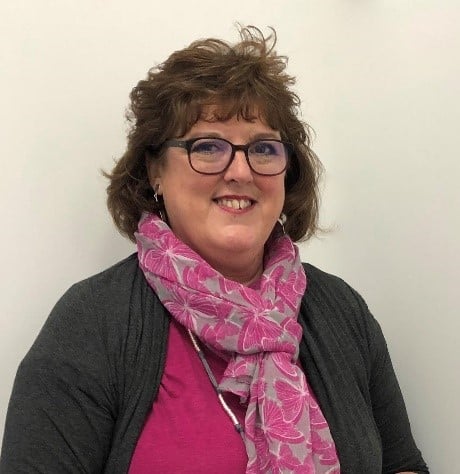
Gill Jolly

Director of Achieve Consultants Ltd and Associate Trainer with Directory of Social Change

Gill, Director of Achieve Consultants Ltd, is a charity professional with an extensive and proven track record in fundraising, training and charity management. She is passionate about helping organisations and individuals achieve their full potential in terms of securing income and growing funding streams.

Gill is well known across the sector having worked for over 30 years with many different charities as well as a trainer and speaker at regional, national and international conferences. She works for organisations in the voluntary and community sector on a consultancy basis as well as undertaking interim roles at a senior level. She is also an Associate Trainer with DSC.

She writes widely and has contributed to a number of books as well as being heavily involved with the Chartered Institute of Fundraising having initially helped develop the fundraising certificate and diploma qualifications. She herself has the Diploma in Fundraising and was awarded a Fellowship by the Chartered Institute of Fundraising several years ago in recognition of her contribution to fundraising.

Charity fundraising webinars

webinar thumbnail Major Donors’ Voices – Busting the Myths Qa

Q&A: Major Donors’ Voices – Busting the Myths

This Major Donors’ Voices webinar, drew more than 1,800 registrations, and far more questions than we could answer live. So, we brought fundraising consultants Louise Morris of Summit Fundraising and Davinia Batley of Champion Fundraising back, hosted by Ian Tate, to tackle the ones that came up most. From defining a major gift to making the ask, stewardship on a stretched budget and the rise of donor advised funds — here are their practical, myth-busting answers.

Major Donors’ Voices – Busting the Myths thumbanil

Major Donors’ Voices – Busting the Myths

Most fundraisers carry a mental picture of the major donor: wealthy, probably male, probably drawn to prestigious events. That picture shapes strategy and according to fundraising specialists Davinia Batley and Louise Morris, it's usually wrong. Drawing on more than 150 interviews with philanthropists and major donors, Davinia and Louise recently delivered a webinar that challenged seven of the most persistent assumptions in the sector. Over 1,700 fundraisers registered to hear it. Here’s the webinar recording and the insights that matter most.

Webinar Image, how to ensure you are set up for fundraising success

FundrAIsing: How to improve fundraising opportunities with AI

AI continues to be a hot topic. In this session we will explore the potential opportunities and challenges that rapidly developing Artificial Intelligence (AI) technology will bring for charities. We will look at how AI is already being used to help deliver charitable social missions in innovative new ways, and how the technology might radically alter the operating environment for charities in the future, by creating both new ways of working as well as new practical and ethical challenges.

Developing and nurturing high value relationships

Developing and nurturing high value relationships

Many organisations dismiss “Major Giving” because they assume it is too expensive, believe they need connections to millionaires or worry about how to justify a ‘big ask’ of donors. In this webinar, Mark Carrigan, MD Carrigan Consulting Ltd draws on his 20+ years of experience in facilitating high value relationships to show that achieving transformational results is attainable for organisations of any size. He outlines the process, provides straightforward frameworks for success, shares hard-truth realities, and offers strategies for avoiding the pitfalls.