The fundraising sources

Support from individuals, corporates and grant-making bodies are just three key areas to source income for your charity.

Charity Fundraising Sources

Support from individuals, corporates and grant-making bodies are key income streams but a resilient fundraising strategy requires a diverse mix of sources and methods.

Effective fundraising isn’t about chasing every opportunity. It’s about planning strategically, balancing low-risk “reliable” income with new opportunities, and aligning activity to your wider fundraising plan.

Where to Start

Begin with a clear fundraising plan that links activity to your goals and helps prioritise effort. This ensures you focus on the most effective income streams rather than reacting to ad‑hoc ideas.

A strong approach should:

  • Balance short-term wins and long-term income
  • Include a mix of restricted and unrestricted funding
  • Avoid reliance on a single income stream

Charity Fundraising Sources

1. Statutory Funding

Government funding (local to national) can come via contracts or grants. While competitive, there is still significant funding available—particularly where services are commissioned.

2. Grant-Making Organisations

Trusts and foundations remain a major source, with thousands of funders available. Success relies on:

  • Targeted, tailored applications
  • Strong alignment with funder priorities
  • Patience due to longer decision timelines

3. Corporate Partnerships

Businesses provide more than cash. Opportunities include:

  • Sponsorship and grants
  • Employee fundraising and match funding
  • Skills-based support and pro bono services

The most successful partnerships are mutually beneficial (“win‑win”).

4. Community Fundraising

Local and interest-based communities can generate:

  • Events and local campaigns
  • Volunteer support
  • Small grants from community groups

Communities are increasingly engaged and collaborative, offering both income and advocacy.

5. Individual Giving

Individuals are the largest source of income across the sector. This includes:

  • One-off and regular donations
  • In-memory giving and legacies
  • Peer-to-peer fundraising

A wide range of methods (digital giving, direct mail, events) can unlock this income.

6. Earned Income

Trading activity such as:

  • Charity shops and online sales
  • Venue hire or services
  • Consultancy or expertise

This can provide sustainable, unrestricted income when aligned to your mission.

Methods vs Sources

It’s important to distinguish between sources (where money comes from) and methods (how you access it).

For example, events are not a source—they are a method used to engage individuals, corporates or communities.

Maximising Income: Key Tips

  • Diversify income streams – don’t rely on one “basket”
  • Focus on cost-effective fundraising to maximise return
  • Invest in research and targeting rather than mass approaches
  • Build long-term relationships, not one-off asks
  • Combine proven activities with tested innovation

Final Thought

Successful fundraising is about balance and strategy—combining multiple funding sources, using the right methods, and building a sustainable pipeline of income for both immediate needs and future growth.


Webinar Speakers

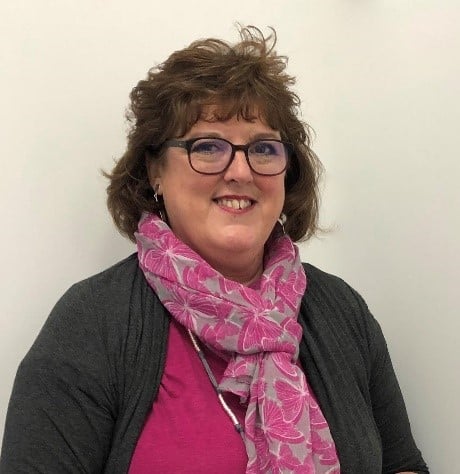
Gill Jolly

Director of Achieve Consultants Ltd and Associate Trainer with Directory of Social Change

Gill, Director of Achieve Consultants Ltd, is a charity professional with an extensive and proven track record in fundraising, training and charity management. She is passionate about helping organisations and individuals achieve their full potential in terms of securing income and growing funding streams.

Gill is well known across the sector having worked for over 30 years with many different charities as well as a trainer and speaker at regional, national and international conferences. She works for organisations in the voluntary and community sector on a consultancy basis as well as undertaking interim roles at a senior level. She is also an Associate Trainer with DSC.

She writes widely and has contributed to a number of books as well as being heavily involved with the Chartered Institute of Fundraising having initially helped develop the fundraising certificate and diploma qualifications. She herself has the Diploma in Fundraising and was awarded a Fellowship by the Chartered Institute of Fundraising several years ago in recognition of her contribution to fundraising.

Charity fundraising webinars

webinar thumbnail Major Donors’ Voices – Busting the Myths Qa

Q&A: Major Donors’ Voices – Busting the Myths

This Major Donors’ Voices webinar, drew more than 1,800 registrations, and far more questions than we could answer live. So, we brought fundraising consultants Louise Morris of Summit Fundraising and Davinia Batley of Champion Fundraising back, hosted by Ian Tate, to tackle the ones that came up most. From defining a major gift to making the ask, stewardship on a stretched budget and the rise of donor advised funds — here are their practical, myth-busting answers.

Major Donors’ Voices – Busting the Myths thumbanil

Major Donors’ Voices – Busting the Myths

Most fundraisers carry a mental picture of the major donor: wealthy, probably male, probably drawn to prestigious events. That picture shapes strategy and according to fundraising specialists Davinia Batley and Louise Morris, it's usually wrong. Drawing on more than 150 interviews with philanthropists and major donors, Davinia and Louise recently delivered a webinar that challenged seven of the most persistent assumptions in the sector. Over 1,700 fundraisers registered to hear it. Here’s the webinar recording and the insights that matter most.

Webinar Image, how to ensure you are set up for fundraising success

FundrAIsing: How to improve fundraising opportunities with AI

AI continues to be a hot topic. In this session we will explore the potential opportunities and challenges that rapidly developing Artificial Intelligence (AI) technology will bring for charities. We will look at how AI is already being used to help deliver charitable social missions in innovative new ways, and how the technology might radically alter the operating environment for charities in the future, by creating both new ways of working as well as new practical and ethical challenges.

Developing and nurturing high value relationships

Developing and nurturing high value relationships

Many organisations dismiss “Major Giving” because they assume it is too expensive, believe they need connections to millionaires or worry about how to justify a ‘big ask’ of donors. In this webinar, Mark Carrigan, MD Carrigan Consulting Ltd draws on his 20+ years of experience in facilitating high value relationships to show that achieving transformational results is attainable for organisations of any size. He outlines the process, provides straightforward frameworks for success, shares hard-truth realities, and offers strategies for avoiding the pitfalls.