
Charity founders: stronger together

If you’re leading a charity, there’s a good chance you’ve had a version of this thought at 11pm on a Sunday: am I the only one who feels like this? You’re not. And the fact that most founders think they are is part of the problem. In a recent Benefact Group webinar, two founders – one from the charity sector, one from business – sat down to talk about the things that rarely make it into conference slides or annual reports. What emerged was honest, practical, and quietly powerful.

Access Insurance Logo

Access Insurance offer specialist advice for charities, churches and community groups. They design policies to ensure customers are properly protected and only pay for the cover they need.

If you’re leading a charity, there’s a good chance you’ve had a version of this thought at 11pm on a Sunday evening:

Am I the only one who feels like this?

The answer, reassuringly, is no.

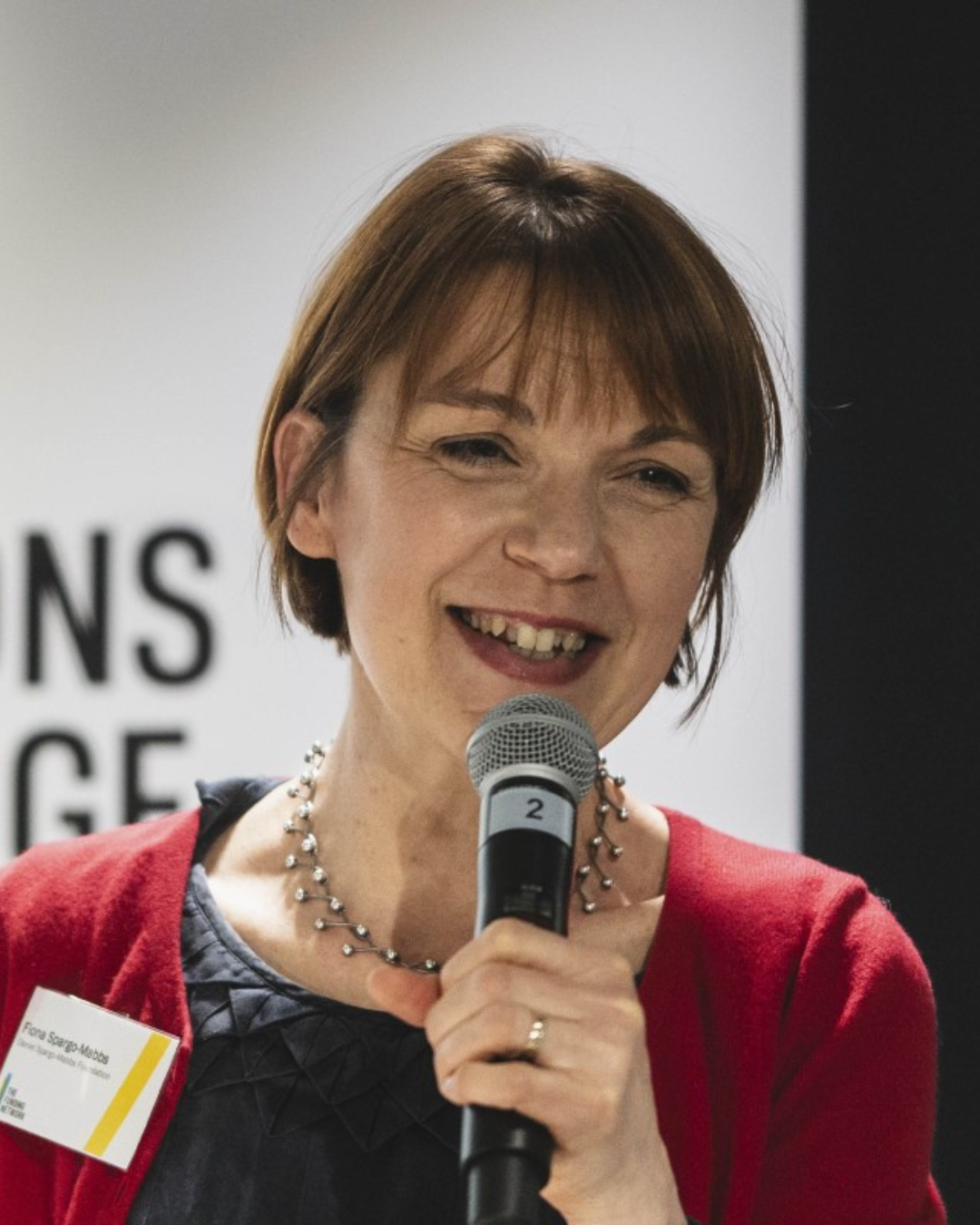
In this recent webinar hosted by Benefact Group and Fundraising Everywhere, charity founder Fiona Spargo-Mabbs, founder and CEO of the Daniel Spargo-Mabbs Foundation, joined entrepreneur Graham Donnelly, founder of First Formations, to explore the realities of founding and leading an organisation. Their conversation moved beyond strategy documents and annual reports and into the territory that many leaders rarely discuss openly: pressure, uncertainty, loneliness, responsibility and resilience.

What emerged was a powerful reminder that founders do not have to carry everything alone.

Why Charity Founders Face Unique Challenges

Starting a charity is often deeply personal.

Many founders begin because they have experienced a problem, seen an injustice or identified a gap that nobody else is addressing. That passion can be the driving force behind an organisation’s success, but it can also create challenges.

Founders often carry:

  • Responsibility for the organisation’s vision
  • Pressure to secure funding
  • Accountability to trustees and regulators
  • Expectations from beneficiaries, staff and volunteers
  • Emotional attachment to the cause
  • A constant sense of urgency

For those who establish charities following personal experiences or loss, the connection to the mission can be especially intense.

As Fiona explained, founders often feel compelled to solve problems immediately. The challenge is recognising that lasting social change is rarely achieved overnight.
Building a charity is a marathon, not a sprint.

The Importance of Remembering Why You Started

At the heart of every successful charity is a clear purpose.

Fiona reflected on the principle that a charity should exist because:

  • There is a genuine need
  • There is a gap in existing provision
  • The organisation is uniquely placed to address it

While those founding motivations may seem obvious, they can be easy to lose sight of as organisations grow and become more complex.

Fundraising targets, governance responsibilities, staffing challenges and operational demands can sometimes distract leaders from the original mission.

The webinar encouraged founders to revisit those core questions regularly:

  • What problem are we solving?
  • Are we still meeting a genuine need?
  • Are we still best placed to do this work?

Those conversations help organisations remain focused and avoid drifting away from their purpose.

Your Trustees Are Not the Enemy

One of the strongest messages from the session was the importance of investing in board relationships.

For many founders, trustees can sometimes feel like obstacles rather than allies. Boards ask difficult questions, challenge ideas and occasionally say no to initiatives that founders are passionate about.

But good governance depends on constructive challenge.

Trustees provide:

  • Oversight
  • Accountability
  • Strategic support
  • Risk management
  • Independent thinking

The relationship between founder and chair is particularly important.

When there is trust, openness and mutual respect, founders and chairs can work together to navigate difficult decisions and strengthen the organisation.

The most effective boards are not there to block progress. They are there to ensure progress is sustainable.

Your Team Is Your Greatest Asset

As organisations grow, founders face another challenge: letting go.

Many charities start with a founder doing everything.

Fundraising. Operations. Marketing. Administration. Strategy.

At some point, that becomes impossible.

Building a strong team requires trust and a willingness to delegate.

The webinar explored the importance of:

  • Recruiting people who share your values
  • Investing in staff development
  • Creating opportunities for growth
  • Recognising achievements
  • Monitoring workload and wellbeing

Founders often focus heavily on beneficiaries while unintentionally neglecting their teams.

But sustainable impact depends on sustainable people.

A motivated, supported team will always achieve more than a burnt-out one.

Why Founder Burnout Is So Common

Several themes emerged around founder wellbeing.

Many founders feel they must always be available.

Always be positive. Always have the answers. Always keep going.

The reality is very different.

Leading a charity can be emotionally demanding, financially stressful and surprisingly isolating.

Graham described how founders often become the “shock absorbers” for their organisations, carrying worries and pressures that nobody else sees.

The danger is that founders begin to believe they should manage everything alone.

Instead, the speakers encouraged leaders to:

  • Ask for help
  • Build support networks
  • Seek coaching or mentoring
  • Connect with peers
  • Prioritise personal wellbeing

Founders are not machines.

The charity needs them to be effective over the long term, not exhausted after the short term.

Culture Comes Before Growth

One of Graham’s key insights was that culture is not a luxury.

It is fundamental to organisational success.

In both charities and businesses, strong cultures help organisations navigate difficult periods.

When people feel trusted, supported and connected to a shared purpose, they are more resilient during challenges.

Practical ways to strengthen culture include:

  • Encouraging honest conversations
  • Recognising small successes
  • Communicating openly
  • Supporting wellbeing
  • Celebrating ownership and initiative
  • Creating psychological safety

Founders often focus on strategy and performance.

But without a healthy culture, even the best strategy can fail.

Know Your Numbers

Many charity leaders are passionate about impact but less enthusiastic about finance.

However, one of the biggest causes of founder anxiety is uncertainty.

Graham shared a simple principle:

Know your numbers.

This means understanding:

  • Cash flow
  • Income projections
  • Expenditure commitments
  • Risk exposure
  • Funding dependencies

You do not need complex financial models to feel more in control.

Often, simply having clarity about the current position can significantly reduce stress and improve decision-making.

Financial confidence is not about becoming an accountant. It is about removing unnecessary uncertainty.

Build Relationships Before You Need Them

A recurring theme throughout the webinar was the power of relationships.

Many founders spend years building networks with:

  • Funders
  • Corporate partners
  • Trustees
  • Volunteers
  • Sector peers

These relationships become invaluable during difficult periods.

The speakers encouraged founders to focus on long-term relationship building rather than transactional interactions.

That applies equally to:

  • Fundraising
  • Partnerships
  • Governance
  • Peer support

Strong relationships create resilience.

And resilience is often what allows organisations to survive challenges and continue making an impact.

You Don’t Have To Do This Alone

Perhaps the most powerful message from the webinar was also the simplest.

Many founders assume everyone else has it figured out.

They assume everyone else feels more confident, more capable and more certain than they do.

The truth is usually the opposite.

Most founders experience:

  • Self-doubt
  • Uncertainty
  • Pressure
  • Loneliness
  • Difficult decisions

Those feelings are not signs of failure.

They are signs that you are doing something important.

Final Thoughts

Leading a charity is demanding, rewarding, frustrating, inspiring and occasionally overwhelming.

But the webinar’s central message was clear:

Founders are stronger together.

The challenges may be unique, but they are rarely faced alone.

By investing in relationships, trusting others, building strong cultures and remembering why the charity exists in the first place, founders can create organisations that not only survive but thrive.

Most importantly, founders should remember this:

You do not have to carry everything yourself.

The strongest leaders are not the ones who never need help.

They are the ones who know when to ask for it.


The information in this presentation is provided for information purposes only and is general and educational in nature and does not constitute legal advice. The information contained herein should not be considered as a substitute for seeking professional advice in specific circumstances.

All opinions expressed are the individuals own and not of (or to be affiliated with) the Benefact Group plc or its group companies.

Benefact Group plc shall not be liable for your use or any reliance on, or action taken (or not taken) by you and any loss, however incurred, as a result; all responsibility for such is excluded (except for that which cannot be excluded by law) by the Benefact Group plc.


Webinar Speakers

Fiona Spargo-Mabbs OBE 

Director and Founder of the Daniel Spargo-Mabbs Foundation, Chair of the Drug Education Forum

Fiona is Director and Founder of the Daniel Spargo-Mabbs Foundation, Chair of the Drug Education Forum, and a member of the government’s Advisory Council on the Misuse of Drugs. She founded the charity in 2014 following the death of her 16-year-old son Dan, and has since worked nationally to improve drug education and protect young people. An award-winning author and former educator, Fiona was awarded an OBE in 2023 for services to young people.


Graeme Donnelly

Founder - 1st Formations

Graeme has spent over 35 years building organisations that serve real people and create long-term impact. Since founding his first company in the early 1990s, he’s helped hundreds of thousands of entrepreneurs launch and grow businesses across the UK and beyond.

https://www.linkedin.com/in/graeme-donnelly/
webinar thumbnail Major Donors’ Voices – Busting the Myths Qa

Q&A: Major Donors’ Voices – Busting the Myths

This Major Donors’ Voices webinar, drew more than 1,800 registrations, and far more questions than we could answer live. So, we brought fundraising consultants Louise Morris of Summit Fundraising and Davinia Batley of Champion Fundraising back, hosted by Ian Tate, to tackle the ones that came up most. From defining a major gift to making the ask, stewardship on a stretched budget and the rise of donor advised funds — here are their practical, myth-busting answers.

Major Donors’ Voices – Busting the Myths thumbanil

Major Donors’ Voices – Busting the Myths

Most fundraisers carry a mental picture of the major donor: wealthy, probably male, probably drawn to prestigious events. That picture shapes strategy and according to fundraising specialists Davinia Batley and Louise Morris, it's usually wrong. Drawing on more than 150 interviews with philanthropists and major donors, Davinia and Louise recently delivered a webinar that challenged seven of the most persistent assumptions in the sector. Over 1,700 fundraisers registered to hear it. Here’s the webinar recording and the insights that matter most.

Webinar Image, how to ensure you are set up for fundraising success

FundrAIsing: How to improve fundraising opportunities with AI

AI continues to be a hot topic. In this session we will explore the potential opportunities and challenges that rapidly developing Artificial Intelligence (AI) technology will bring for charities. We will look at how AI is already being used to help deliver charitable social missions in innovative new ways, and how the technology might radically alter the operating environment for charities in the future, by creating both new ways of working as well as new practical and ethical challenges.

Developing and nurturing high value relationships

Developing and nurturing high value relationships

Many organisations dismiss “Major Giving” because they assume it is too expensive, believe they need connections to millionaires or worry about how to justify a ‘big ask’ of donors. In this webinar, Mark Carrigan, MD Carrigan Consulting Ltd draws on his 20+ years of experience in facilitating high value relationships to show that achieving transformational results is attainable for organisations of any size. He outlines the process, provides straightforward frameworks for success, shares hard-truth realities, and offers strategies for avoiding the pitfalls.