Major Donors’ Voices webinar follow up Q&A

Our recent Major Donors’ Voices webinar, part of the Benefact Group charity support series, drew more than 1,800 registrations, and far more questions than we could answer live.

So, we brought fundraising consultants Louise Morris of Summit Fundraising and Davinia Batley of Champion Fundraising back, hosted by Ian Tate, to tackle the ones that came up most. From defining a major gift to making the ask, stewardship on a stretched budget and the rise of donor advised funds — here are their practical, myth-busting answers.

Benefact Group Movement for Good logo

Our charity support programme includes this free fundraising webinar series, in-person Fundraising Forums and Founders Forums, the For Impact podcast, and the Movement for Good grant programme.

What counts as a major donor and how big does a gift have to be?

There’s no fixed figure. A major gift is whatever is significant for your organisation, perhaps £500 or £1,000 for a small charity, or £25,000 for a larger one. Judge donors on what they could give across a full year, not on a single past gift.

Windfall donations, such as an inheritance or a one-off, don’t make someone a major donor. Louise Morris suggests looking at total giving over a 12-month period, including regular monthly gifts, and setting your threshold where it makes practical sense for the way you can realistically look after people.

How do you find major donors if you have no network or wealthy contacts?

Start closest to home. Look at who has already given generously through your CRM, a past appeal or even a crowdfunding campaign, then work outwards through the connections of trustees, volunteers and supporters. Going cold should be a last resort; it can take a dozen prospects to secure one gift.

Davinia Batley describes building concentric circles out from existing relationships, layered against genuine interest in your cause. It needn’t be your whole board. One well-connected, committed trustee or supporter is often enough to begin. Frame it around who might be inspired by your work, not who is wealthy.

What should a major donor ‘ask’ actually sound like?

There’s no single script, but by the time you ask, the donor shouldn’t be surprised. Be specific about the amount and what it will fund, even if that’s unrestricted income. Make sure the right person is asking, then stay quiet and let them consider it.

Davinia Batley’s key tip is that once you’ve made the ask, resist filling the silence with qualifiers. Let the moment breathe. The right person isn’t always the fundraiser; sometimes it’s a trustee, the CEO or a fellow major donor. Have your thank-you and follow-up ready, whatever the answer.

How soon should you follow up after making an ask and when do you stop?

There’s no rulebook. It depends on the donor. Agree a next step before you part: what information they need, and when you’ll reconnect. If it goes quiet, gentle, helpful nudging works better than pressure, and someone else who knows them may be best placed to check in.

Louise Morris’s advice is to keep the door open. A donor might give twelve months later once their own circumstances settle. Make it genuinely comfortable for them to say no, and don’t close a relationship after a couple of unanswered emails. There’s usually more going on in their world than you can see.

How do you steward major donors when you’re a small charity with limited time?

Small moments matter most. Five-minute calls and 15-minute coffees build deeper relationships than large, resource-heavy events. Blocking two 30-minute slots a week for donor contact keeps you accountable. You won’t always fill them, but the habit keeps connection alive.

Davinia Batley also encourages asking donors for help. Sharing the vision of your major donor programme often unlocks offers of support you’d never otherwise reach. If you’re already working flat out, building the case for investment in capacity may need to come first. A sustainable programme can’t run on goodwill alone.

How do you carry out due diligence on a potential major donor?

Start with a written due diligence policy so everyone assesses risk the same way. Check financial stability, news coverage and social media for any values misalignment, controversy or illegality, then rate the level of risk so you know when to escalate to your senior team or board.

Davinia Batley stresses this is a charity risk, not one person’s to carry alone. For donations already received, factor in Charity Commission rules on refusing a gift. Check your data protection policies cover this research, and note that the ICO helpline is a useful free resource if you’re ever unsure.

How do you re-engage a major donor who has stopped giving?

First, find out whether they’ve always given at arm’s length. Some donors genuinely prefer not to be involved, and that’s worth respecting. For others, a curiosity-led conversation helps. People give more, and for longer, when they feel valued and connected.

Louise Morris’s wider point is to treat major donor retention as a KPI. We readily assume a £5-a-month donor might lapse, yet expect someone giving £30,000 a year to continue indefinitely. Circumstances change, so check in, thank people meaningfully, and never assume continued giving is guaranteed.

Are major donors moving towards donor advised funds (DAFs)?

Yes. Donor advised funds are growing, partly because they let donors give more privately amid frequent approaches. A DAF is a giving vehicle, not a donor, and the fund itself isn’t stewardable. The relationship still sits with the individual behind it.

Louise Morris’s advice is to stay relationship-first, not DAF-first. Most charities receiving DAF gifts already know the donor and expect the gift to arrive. Summit Fundraising publishes a free guide on DAFs if you would like to understand the mechanics in more detail.

Where to go next

Major donor fundraising rewards patience, genuine curiosity and relationships built over time. It is rarely a single transaction. As Davinia Batley puts it, don’t let perfect be the enemy of done. You don’t need everything aligned before you begin. Watch the full Major Donors’ Voices webinar recording.

Keep learning with Benefact Group’s free Charity Support programme

This article draws on the Benefact Group webinar ‘Major Donor Voices: Busting the Myths’, featuring Davinia Batley and Louise Morris, delivered in partnership with Fundraising Everywhere. More resources and articles are available free on our Charity Support page, alongside webinars on corporate fundraising, trusts and foundations, and more.

Benefact Group is owned by the Benefact Trust, a registered charity. All available profits from its financial services businesses go to good causes, over £250 million in the last decade. The Benefact Group Movement for Good programme gives charities the chance to access to funding throughout the year.

Join over 1,900 charity professionals in the Benefact Group Charity Network Facebook group.

You can also listen to the For Impact: The Charity Podcast with Felicia Willow and Chris Pitt.

Disclaimer

The information in this presentation is provided for information purposes only and is general and educational in nature and does not constitute legal advice. The information contained herein should not be considered as a substitute for seeking professional advice in specific circumstances.
All opinions expressed are the individuals own and not of (or to be affiliated with) the Benefact Group plc or its group companies.
Benefact Group plc shall not be liable for your use or any reliance on, or action taken (or not taken) by you and any loss, however incurred, as a result; all responsibility for such is excluded (except for that which cannot be excluded by law) by the Benefact Group plc.

Webinar Guest Speaker

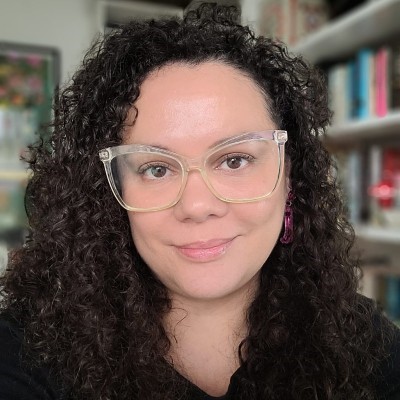
Davinia Batley

Founder, Champion Fundraising

Davinia Batley brings over 20 years’ experience in income generation for small to medium-sized charities, with a deep understanding of both the pressures and possibilities of the sector. Through Champion Fundraising, she provides consultancy, interim support, training, and development to help organisations grow income strategically and plan ahead. She also works closely with individuals to explore mindset, means, and methods to thrive in fundraising.

https://www.linkedin.com/in/daviniabatley/
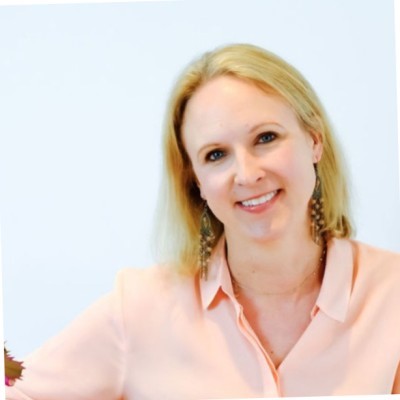
Louise Morris

Founder and Director, Summit Fundraising

Louise Morris is a major donor fundraising specialist who helps charities raise more large gifts with confidence. She supports organisations to build, refine, and grow major donor programmes, whether they are just starting out or looking to unlock greater potential. Through strategic guidance and practical support, Louise enables charities to develop clear plans and secure transformational gifts.

https://www.linkedin.com/in/louise-morrisminstf/
Major Donors’ Voices – Busting the Myths thumbanil

Major Donors’ Voices – Busting the Myths

Most fundraisers carry a mental picture of the major donor: wealthy, probably male, probably drawn to prestigious events. That picture shapes strategy and according to fundraising specialists Davinia Batley and Louise Morris, it's usually wrong. Drawing on more than 150 interviews with philanthropists and major donors, Davinia and Louise recently delivered a webinar that challenged seven of the most persistent assumptions in the sector. Over 1,700 fundraisers registered to hear it. Here’s the webinar recording and the insights that matter most.
Webinar Image, how to ensure you are set up for fundraising success

FundrAIsing: How to improve fundraising opportunities with AI

AI continues to be a hot topic. In this session we will explore the potential opportunities and challenges that rapidly developing Artificial Intelligence (AI) technology will bring for charities. We will look at how AI is already being used to help deliver charitable social missions in innovative new ways, and how the technology might radically alter the operating environment for charities in the future, by creating both new ways of working as well as new practical and ethical challenges.

Developing and nurturing high value relationships

Developing and nurturing high value relationships

Many organisations dismiss “Major Giving” because they assume it is too expensive, believe they need connections to millionaires or worry about how to justify a ‘big ask’ of donors. In this webinar, Mark Carrigan, MD Carrigan Consulting Ltd draws on his 20+ years of experience in facilitating high value relationships to show that achieving transformational results is attainable for organisations of any size. He outlines the process, provides straightforward frameworks for success, shares hard-truth realities, and offers strategies for avoiding the pitfalls.